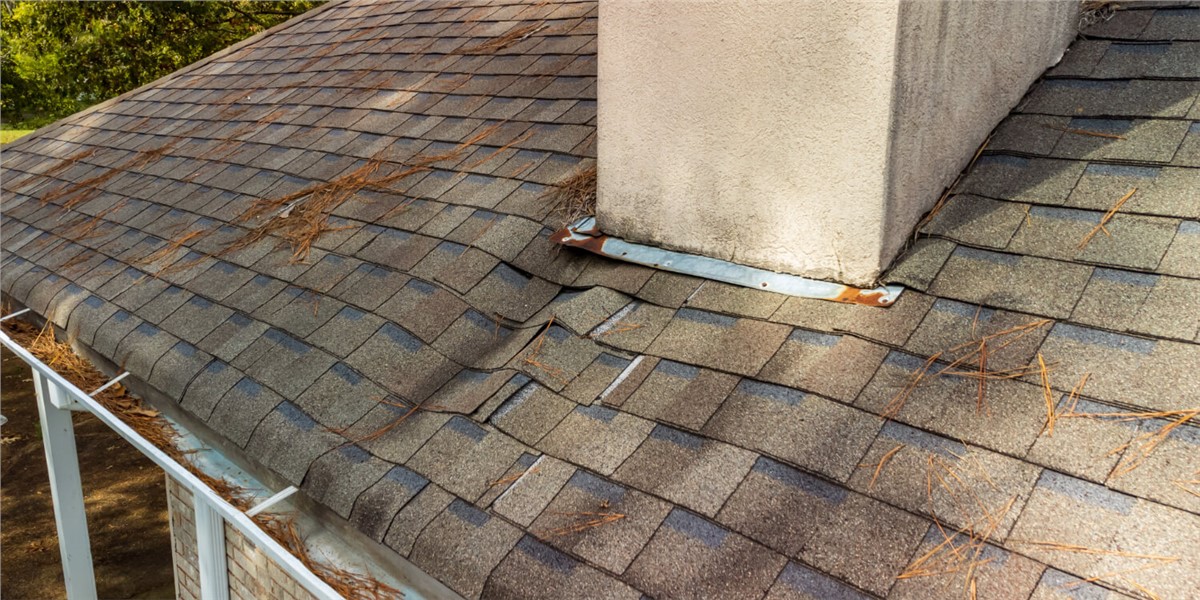
Roof leak repair is one of those jobs where waiting always costs more, a small leak addressed today prevents a major, expensive problem tomorrow.
Seeing a water stain after a rainstorm can be unsettling. Maybe it’s a small brown spot on the ceiling or a musty smell that only shows up after heavy weather. Many homeowners in Pasadena, San Marino, South Pasadena, La Cañada Flintridge, Sierra Madre, Altadena and surrounding Southern California cities think, “It’s small… I’ll wait and see.” That’s a natural reaction, but it’s also one that can lead to far more costly repairs down the road.
Roof leaks don’t usually get worse in a straight, predictable line. Water often travels along structural wood, insulation, and underlayment — spreading silently before it becomes obvious inside your home. The most serious and expensive leaks typically start at weak points like flashing, valleys, and roof penetrations (vents, skylights, chimneys) long before you see any sign on the ceiling.
This guide explains what’s happening, what you can do safely today, and how to think about roof leak repair and inspection in a way that protects your home and your budget.
Key Takeaways
- A small leak spreads fast, mold within days, rot within weeks.
- 'Waiting until it gets worse' turns a cheap fix into an expensive one.
- The leak's source is often far from where water appears inside.
- Fast professional repair stops the damage and saves money.
Quick Answer: Why Shouldn't You Wait to Fix a Roof Leak?
You should not wait to fix a roof leak because the damage compounds quickly and quietly. An active leak lets water into your decking, insulation, and drywall with every rain, feeding mold within 24 to 48 hours and rotting wood within weeks. What starts as a small, affordable roof leak repair becomes structural remediation and interior repairs the longer it waits. Fast action keeps the fix small, which is why 'I'll wait until it gets worse' is the most expensive plan there is.
What to Do First (Quick Guidance)
- If a ceiling stain changes after rain, assume it’s active. Don’t wait for the drip to “prove” it.
- Most hidden leaks start at flashing, valleys, or roof penetrations — not from the middle of a roof plane.
- Your immediate actions are about damage control: catch water, protect valuables, and document what you’re seeing.
- Delaying often expands the repair scope because water can impact insulation, decking, fascia and interior finishes before you notice.
- A thorough roofing inspection should include clear photos, an explanation in plain language, and well-explained options — not vague guesses.
Why Roof Leaks Get Expensive
The stain on your ceiling is often just the end of the trail, not the beginning. When water gets under roofing layers, it follows paths of least resistance. Over time, that hidden moisture can:
- Saturate attic insulation, reducing energy efficiency
- Soften or rot roof decking
- Travel along framing and emerge in a different room
- Cause drywall bubbling, sagging, or discolored ceilings
- Impact roof edges, fascia, and gutter interfaces
- Encourage mold growth in attics and cavities
Minor roof repairs done early are often far simpler — and less expensive — than fixes after water has moved through multiple layers of your home’s structure.
Common Sources of Roof Leaks
Flashing and Transitions
Flashing protects areas where roof planes meet walls, chimneys, skylights, and dormers. When flashing corrodes, shifts, or was installed poorly, water can sneak in.
Roof Valleys
Valleys act like water highways during rain. If debris builds up or the valley details wear, water can find its way under shingles and into vulnerable areas.
Roof Penetrations
Exhaust vents, plumbing stacks, skylights and solar mounts are all penetration points where the seal can fail. These small openings are common origins of leaks.
Underlayment Exposure
Underlayment is a backup layer beneath your roof covering — not a permanent barrier. When shingles or tiles fail, the underlayment can soak up moisture and degrade quickly.
Safe Steps You Can Take Now
You don’t need to climb on the roof to start doing the right things.
1. Confirm If the Leak Is Active
- Lightly feel the stained area with a clean cloth. Dampness or soft drywall suggests ongoing water entry.
- Outline the stain with a pencil. If the outline grows after the next rain, you know the issue is active.
2. Control Water and Protect Your Space
- Move furniture and electronics away from the wet area.
- Place a bucket under active drips (a towel inside helps reduce splash).
- If a ceiling bubble is forming and you feel comfortable, a small controlled puncture at the lowest point can release pressure before it pops unexpectedly.
3. Document What You See
Take photos of:
- Ceiling stains or bulges
- Any water dripping
- The roofline from the ground if you can spot missing shingles or visible damage
Photos help a contractor diagnose the issue and can support discussions with insurance if needed.
4. Avoid Quick DIY Patches
Avoid:
- Applying random caulk or sealant
- Using roofing cement without understanding the source
- Nailing down loose shingles without a plan
These quick fixes often disrupt how the roof sheds water and can create new entry points.
When to Call a Roofing Professional
Contact a Pro Sooner If:
- You have active drips
- Ceiling stains expand after rain
- You notice soft spots or sagging drywall
- You see visible roofing material damage from the ground
Schedule an Inspection Soon If:
- Musty smells return after storms
- You’ve had wind events recently — lifted shingles can be subtle
- You’ve had previous repairs return in the same area
Timely inspection helps both protect your home and keep repair costs from growing.
What a Good Inspection Should Include
A clear, professional roofing inspection typically covers:
- Roof surface review for leaks, broken shingles and weak points
- Flashing checks around penetrations and transitions
- Valley and ridge evaluations
- Attic inspection (where accessible and safe) for hidden moisture patterns
- Photo documentation and plain-English explanation of findings and options
This level of detail helps you understand the problem and choose the best course of action for a long-term solution.
Want a documented roof inspection? Schedule a free roof inspection with Green Ladder Roofing.
Getting Fast, Lasting Roof Leak Repair
Effective roof leak repair means finding the true source, not just patching where the water shows up, and sealing it properly. Green Ladder Roofing traces leaks to their origin, stops the water, and makes a lasting repair, fast, before the damage spreads.
The Real Math Behind Waiting on a Roof Leak
Homeowners often delay roof leak repair hoping it will hold until a more convenient time, but the math almost never works in their favor. A $300 to $500 flashing or shingle repair, caught early, addresses the problem completely. Wait a few months, and that same leak has soaked insulation ($), rotted decking ($$), stained and damaged drywall ($$), and possibly grown mold that requires remediation ($$$). The roof repair itself is still needed, now on top of all the interior work. Acting immediately is not just less stressful, it is dramatically cheaper. The cost of fast action is always a fraction of the cost of waiting, which is exactly why the smartest homeowners treat every active leak as urgent.
Frequently Asked Questions
How fast should I repair a roof leak?
As fast as possible. Water spreads with every rain, and mold can begin within 24 to 48 hours. Fast repair keeps the damage and cost small.
Can I fix a roof leak myself?
You can contain water temporarily, but finding and sealing the true source is a job for a professional. DIY patches often miss the real entry point.
Why is the leak not where the water appears?
Water enters at one point and travels along the roof deck or framing before dripping inside, often feet away. Professionals trace it to the true source.
How much does roof leak repair cost?
Minor repairs caught early often run a few hundred dollars. The longer you wait, the more the water spreads and the higher the cost climbs.
Related reading: