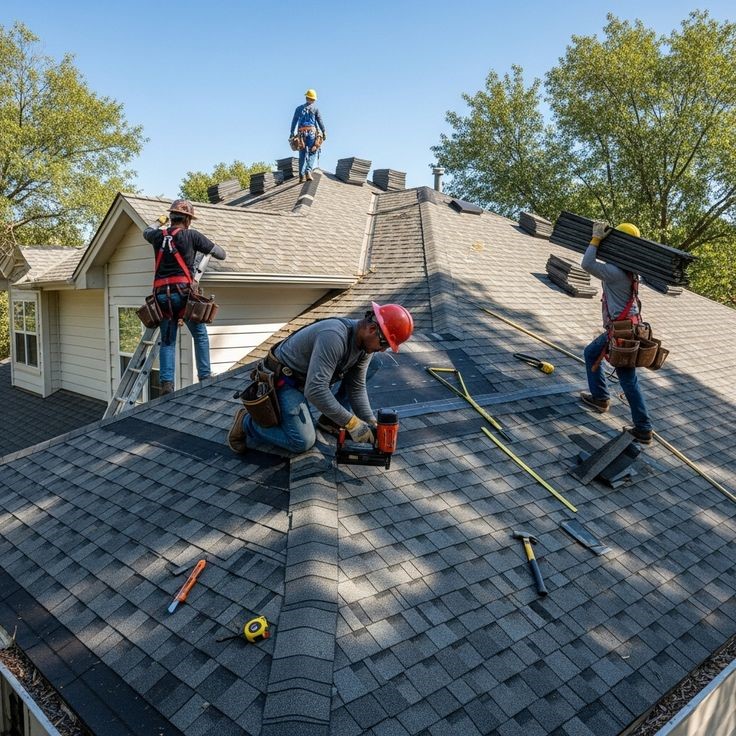
Flat roof leak repair Los Angeles County homeowners and building owners need starts with understanding why flat roofs leak, the causes are specific and predictable.
Key Takeaways
- Flat roofs leak differently than pitched roofs, water lingers instead of running off.
- The top causes are ponding water, membrane cracks, failed flashing, and clogged drains.
- LA County heat degrades membranes and accelerates leaks.
- Fast, correct repair prevents structural water damage.
Quick Answer: What Causes Flat Roof Leaks in Los Angeles County?
Flat roof leaks in Los Angeles County are most often caused by ponding water that stresses the membrane, cracks and blisters in the waterproofing membrane, failed flashing at edges and penetrations, clogged drains and scuppers that back water up, and simple age. Because flat roofs cannot shed water by gravity, any of these lets water sit and find a way in. Flat roof leak repair in Los Angeles requires finding the specific cause and sealing it correctly.
Flat Roof Leak Repair in Los Angeles County: The 5 Most Common Causes & What to Do First!
If you’re dealing with a flat roof leak in Los Angeles County, it usually shows up in one of two frustrating ways: A ceiling stain that keeps growing after storms, or a drip that only appears when the rain hits hard.
Flat roofs behave very differently from steep residential roofs. Water doesn’t rush off the surface: it sits, spreads, and slowly works its way toward the weakest detail. That’s why the stain you see inside your home is rarely the actual entry point.
Across LA County and surrounding areas, the same leak patterns appear again and again. Understanding what causes them is the first step toward a repair that actually lasts, instead of patching the same spot every rainy season.
What “Flat Roof” Usually Means in Los Angeles County
Most flat roofs in Southern California are technically low-slope roofs. They’re designed to drain, just at a slower rate than pitched systems.
That slower drainage makes detailing critical.
Common flat and low-slope systems in LA County include:
- Modified bitumen (torch-down or cold-applied)
- TPO or PVC single-ply membranes
- Built-up roofing (BUR)
- Coating systems installed over existing roofs when conditions allow
Different materials, same reality: leaks almost always start at transitions, joints, or penetrations.
The 5 Most Common Causes of Flat Roof Leaks
1. Ponding Water That Doesn’t Fully Drain
Some water immediately after rain is normal. Water that remains 24–48 hours later is not.
Standing water places constant stress on seams, repairs, and flashing. Over time, even small imperfections turn into entry points.
Common signs include:
- Water still visible a day or two after rain
- Dark rings or dirt lines where water repeatedly pools
- Leaks that occur only during long storms
- Ceiling stains that slowly grow over time
Ponding doesn’t always cause an immediate leak — but it dramatically increases risk.
2. Seam Separation
Flat roofing systems rely heavily on seams. When those seams weaken, water doesn’t need much space to enter.
Seam failures often occur:
- Where membrane sheets join
- At older repair patches
- Near ponding areas
- Where the roof changes direction or elevation
Homeowners often notice leaks that come and go depending on storm direction or intensity.
3. Drain or Scupper Problems
In Los Angeles County, heavy rain often arrives fast. If the roof can’t drain quickly enough, water spreads outward and looks for weak points.
Common drainage issues include:
- Clogged roof drains or scuppers
- Slow or blocked downspouts
- Improper slope toward drainage points
- Overflow directs water toward parapet walls
If a leak only happens during intense rainfall, drainage is one of the first areas that should be evaluated
4. Flashing Failures at Walls and Parapets
Flat roofs typically terminate at walls or parapets — and these transitions are among the highest-risk areas.
Problem zones include:
- Parapet wall flashing
- Roof-to-wall transitions
- Termination bars and edge details
- Metal edges where membranes end
When flashing fails, water can travel behind the roofing system before showing inside — often far from the true entry point.
5. Roof Penetrations
Every penetration interrupts the roofing membrane.
Common leak points include:
- Vent pipes and flashing boots
- HVAC curbs and platforms
- Electrical conduits
- Skylights and curb corners
Even when the leak appears to be “in the middle,” it’s often connected to a nearby penetration or seam.
What to Do First (Safe Homeowner Steps)
You don’t need to climb on the roof to take the right first steps.
- Catch active drips to prevent interior damage
- Move furniture and electronics away from the area
- Take photos of stains, bubbling paint, or active leaks
- Note when the leak occurs (heavy rain, wind-driven rain, long storms)
- If visible from a window, photograph ponding or overflow areas
Avoid walking on the roof when it’s wet; flat roofing surfaces can be extremely slippery.
When to Call a Roofing Contractor
It’s best to schedule a professional roofing inspection if any of the following apply:
- Active dripping or ceiling bubbling
- Water appearing near electrical fixtures
- Repeated leaks after prior repairs
- Ponding water that does not clear
- Leaks that occur only during heavy rain
Flat roof leaks often spread beneath the surface before becoming visible. Waiting typically allows moisture to expand the affected area and increase the repair scope.
A Practical Next Step for Los Angeles County Homeowners
Flat roof leaks rarely come from one obvious spot. They develop from drainage patterns, aging details, and transitions that gradually fail over time.
If your home in Pasadena, Glendale, or elsewhere in Los Angeles County is experiencing recurring leaks, understanding the true cause is the fastest way to stop the cycle.
Green Ladder Roofing provides residential flat roof inspections with clear photo documentation and straightforward explanations — so homeowners can make informed decisions without guesswork.
If you’d like clarity before the next storm, scheduling an inspection is a smart place to start.
Want a documented roof inspection? Schedule a free roof inspection with Green Ladder Roofing.
Getting Flat Roof Leak Repair Los Angeles Property Owners Can Trust
Reliable flat roof leak repair Los Angeles property owners can trust starts with a proper diagnosis of the true leak source, then a correct repair, whether a spot fix, a coating, or a re-cover. Green Ladder Roofing traces and repairs flat roof leaks across LA County the right way.
Why LA County Flat Roofs Are Especially Leak-Prone
Los Angeles County flat roofs face a challenging combination of conditions. Long stretches of intense sun and heat bake and degrade waterproofing membranes, drying them out and opening cracks. When the rains do come, often heavy and concentrated, water pools on surfaces that cannot shed it, stressing every seam and detail. Rooftop foot traffic for HVAC servicing, common on commercial flat roofs, adds wear. And because flat roofs are out of sight, problems often go unnoticed until water appears inside. This mix is exactly why flat roof leak repair is so common across LA County, and why proactive inspection and maintenance, catching membrane wear and ponding before they cause leaks, saves property owners so much money compared to reacting after interior damage has already occurred.
Frequently Asked Questions
Why does my flat roof leak?
Common causes are ponding water, membrane cracks or blisters, failed flashing, clogged drains, and age. Flat roofs cannot shed water, so any weak point lets water in.
Can a flat roof leak be repaired without full replacement?
Often yes. Depending on condition, a spot repair or restorative coating can fix the leak and extend the roof's life at a fraction of replacement cost.
How do I find a flat roof leak?
It takes a professional. Water travels under the membrane before appearing inside, so tracing the true source requires experience with flat roof systems.
How urgent is a flat roof leak?
Very. Water sits on a flat roof and works into the structure quickly. Fast repair prevents rot, mold, and costly interior damage.
Related reading: