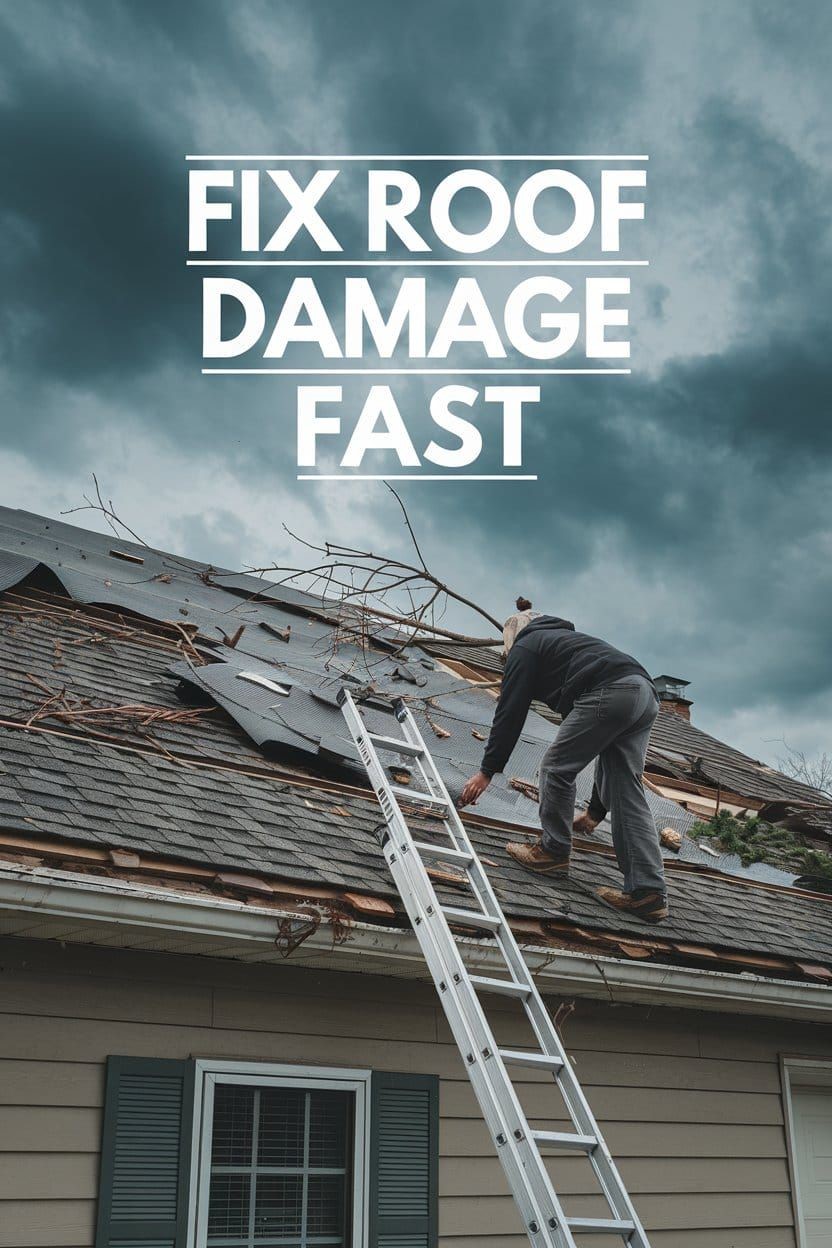
What to Do Before the Next Storm to Help Prevent Roof Leaks
Storms have a way of exposing problems you didn’t even know existed.
One week, everything looks fine. Then the rain comes down harder than expected, the wind shifts direction, and suddenly there’s a stain on the ceiling or a drip you’ve never noticed before.
Here’s the part many homeowners don’t realize:
Most roof leaks don’t start during the storm. They begin weeks or even months earlier. The storm simply adds enough pressure for water to find an existing weak point.
If rain is in the forecast, there are a few smart, safe steps you can take ahead of time to reduce your chances of dealing with a leak afterward. Nothing extreme. Nothing risky. Just practical preparation that helps your roof do its job.
Key Takeaways
- Preventing leaks before a storm is far cheaper than repairing damage after.
- Clear gutters, check flashing, and inspect for damaged shingles or tiles.
- Address small problems now, storms exploit every weak point.
- A pre-storm inspection catches vulnerabilities you cannot see from the ground.
Quick Answer: How Can You Prevent Roof Leaks Before a Storm?
To prevent roof leaks before a storm: clear gutters and downspouts so water drains properly, check and reseal flashing around chimneys and vents, replace any damaged or missing shingles or tiles, trim overhanging branches, and look for interior stains that signal an existing weak spot. Because storms drive water into every vulnerable detail, addressing these before the weather hits is the most reliable way to prevent leaks, and it is far cheaper than repairing the damage afterward.
Why Roof Leaks Often Show Up During Storms
Storms don’t usually create roof problems — they reveal them.
Wind-driven rain can push water sideways. Heavy rainfall can overwhelm drainage systems. Gusts can lift shingle edges just enough to let moisture slip underneath. When there’s already a vulnerable detail somewhere, the storm finds it.
Most residential roofing leaks in Southern California tend to start at:
- Flashing around chimneys, vents, and walls
- Valleys where water concentrates
- Roof edges and eaves
- Areas where debris collects
The goal before a storm isn’t to make the roof perfect. It’s to remove easy opportunities for water to get inside.
What to Do Before the Next Storm
Clear Debris From the Roof, From the Ground
You don’t need to climb onto the roof.
Walk the perimeter of your home and look for:
- Leaves piled in valleys
- Branches resting on shingles
- Debris sitting near roof edges
If you can safely remove debris using a pole or from a window, that’s helpful. If not, don’t risk it. Simply knowing where debris is collecting can be valuable if a roofing inspection is needed later.
Check Gutters and Downspouts
Overflowing gutters are one of the most common contributors to storm-related roof leaks.
Before the rain arrives:
- Make sure gutters aren’t packed with leaves
- Confirm downspouts are draining freely
- Look for sagging sections or gutters pulling away
When water can’t move away from the roof quickly, it backs up — and that’s when leaks often begin near fascia boards and roof edges.
Walk the Interior of Your Home
This step gets overlooked, but it matters.
Before the storm:
- Look at ceilings near exterior walls
- Check around skylights
- Note any faint or older stains
If a stain already exists, even lightly, that area deserves extra attention during and after the storm. Many leaks reappear in the same location once pressure returns.
Look for Small Exterior Clues
From the ground, scan for:
- Shingles that look lifted or uneven
- Flashing that appears bent or separated
- Roofing material fragments in the yard
You’re not diagnosing, just observing changes. Small visual clues can point to areas that may need roof repair before they turn into interior damage.
Trim Branches That Touch or Hang Over the Roof
Branches don’t just drop debris. During wind, they rub against roofing materials and wear protective surfaces down over time.
Even light contact can slowly create future leak points, especially along shingle edges and flashing details.
Clear Drains and Scuppers on Flat or Low-Slope Roofs
If your home has a flat or low-slope roof, drainage becomes even more important.
Before a storm:
- Make sure drains and scuppers are visible
- Remove surface debris if it’s safe
- Pay attention to where water normally exits
Standing water during a storm is one of the biggest triggers for flat roof leaks throughout Los Angeles County.
What Not to Do Before a Storm
- Don’t climb onto a wet or windy roof. Even experienced roofing contractors avoid unsafe conditions when possible.
- Don’t apply random caulk “just in case.” Improper sealing can trap water and create larger problems later.
- Don’t ignore old stains. Light discoloration is often an early warning, not a cosmetic issue.
A Simple Storm-Prep Mindset
You’re not trying to make your roof brand new.
You’re trying to:
- Keep water flowing where it’s supposed to
- Remove blockages before pressure builds
- Reduce stress on aging or vulnerable details
Those few steps alone prevent a large percentage of storm-related leaks.
After the Storm: One Quick Check
Once the rain stops:
- Look at the same interior areas again
- See if any stains changed or darkened
- Pay attention to new odors or damp spots
Catching issues early often keeps roof repair smaller, cleaner, and far less disruptive.
The Bottom Line
Roof leaks rarely start with drama. They start quietly, a little debris, slow drainage, or a flashing detail that’s been tired for years. The storm simply finishes the conversation.
Taking a few practical steps before the next storm won’t guarantee perfection, but it can significantly reduce your risk of water intrusion.
Think of it as giving your roof a head start before the weather arrives.
If you’d like added peace of mind, a professional roofing inspection can help identify vulnerable areas before the next storm puts them to the test. Green Ladder Roofing provides clear, photo-documented inspections for homeowners throughout LA County and surrounding Southern California communities so you can plan ahead with confidence.
The Cost of Skipping Storm Prep
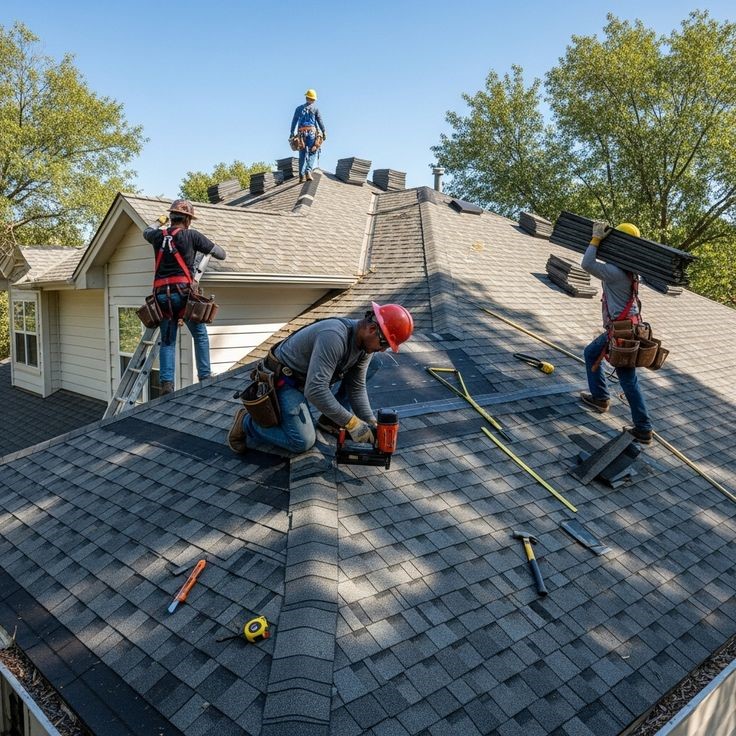
It is tempting to gamble that your roof will be fine, but the math rarely favors waiting. A pre-storm inspection and a few small repairs cost very little compared to what a storm can do to an unprepared roof: water intrusion that soaks insulation and decking, ceiling stains, mold, and interior damage that reaches far beyond the roof itself. Once a storm exploits a weak flashing detail or a cracked shingle, the repair is no longer just the roof, it is the drywall, the paint, sometimes the flooring and belongings below. Homeowners who prepare before the season come through storms with a dry, intact home, while those who skip it too often end up scrambling for emergency service at premium prices when every roofer in town is already booked. Prevention is always the cheaper, calmer path.
Frequently Asked Questions
How do I prevent roof leaks before a storm?
Clear gutters, check and reseal flashing, replace damaged shingles or tiles, trim branches, and get a pre-storm inspection. These steps close the weak points storms exploit.
When should I prepare my roof for storms?
Before the rainy season and after any long dry spell. Preparing early means you are ready when the first storm hits instead of scrambling.
Can I prevent roof leaks myself?
You can clear gutters and scan for interior stains, but flashing, underlayment, and hidden vulnerabilities need a professional inspection to catch and fix safely.
Why do roofs leak during storms?
Storms drive rain into weak points, worn flashing, cracked seals, damaged shingles, that hold up in normal weather. Addressing these beforehand prevents the leaks.
Related reading:
- What Your Roof Is Trying to Tell You: A Pasadena Homeowner’s Guide Before the First Leak
- The California Ready Roof Checklist: What LA Homeowners Should Inspect Before Fire Season, Santa Ana Winds, and Winter Rain
- Buying a Home in LA County: 10 Roof Questions to Ask Before Closing (and Why They Matter)